Life Insurance for Seniors with Sleep Apnea: Rates, Options, and Approval Tips

Sleep apnea is a common condition among older adults, and many seniors worry that a diagnosis might make it difficult to qualify for life insurance. The good news is that life insurance for seniors with sleep apnea is often available and affordable, especially when the condition is properly treated.
Millions of Americans live with sleep apnea, and insurance companies are very familiar with it. If you manage the condition with treatment such as a CPAP machine and maintain overall good health, you may still qualify for competitive rates.
This guide will help seniors and their loved ones understand:
- How sleep apnea affects life insurance approval
- The types of life insurance policies available for seniors with sleep apnea
- Estimated life insurance rates for seniors
- Tips for improving approval chances
- When guaranteed issue policies may be the best option
By the end of this article, you’ll have a clearer understanding of how to find the right life insurance for seniors with sleep apnea.
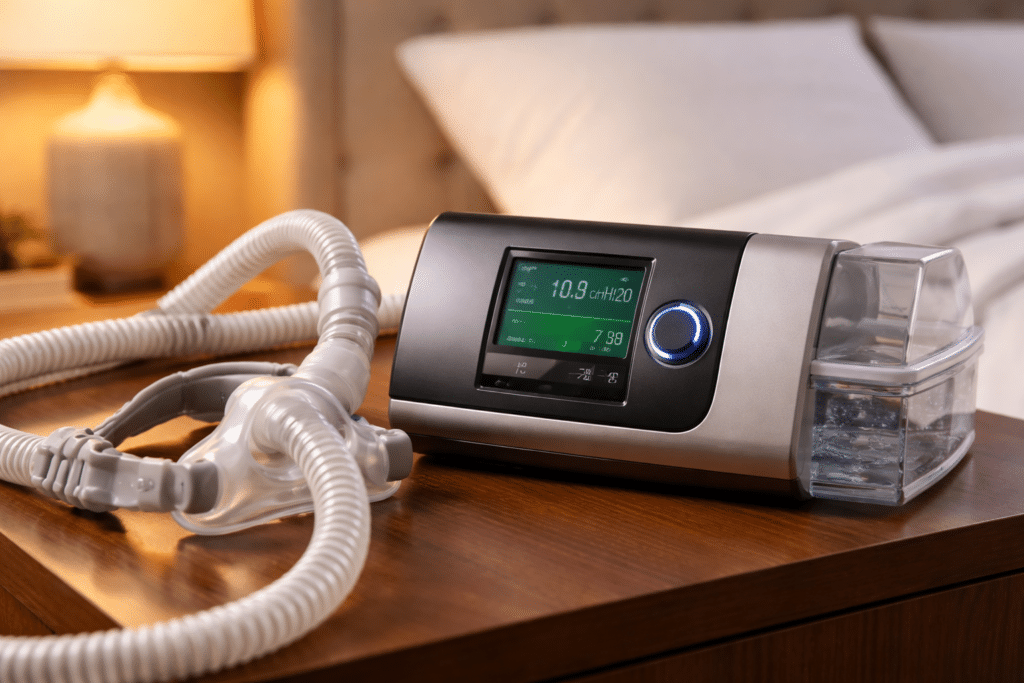
Is Life Insurance for Seniors with Sleep Apnea possible?
Yes, seniors with sleep apnea can still qualify for life insurance. Many insurance companies approve applicants with mild, moderate, or even severe sleep apnea, especially when the condition is treated with CPAP therapy. Depending on health history, seniors may qualify for term life insurance, whole life insurance, simplified issue policies, or guaranteed issue life insurance.
What Is Sleep Apnea?
Sleep apnea is a medical condition that causes breathing to repeatedly stop and start during sleep. The most common type is obstructive sleep apnea (OSA), which occurs when the muscles in the throat relax and block the airway.
Common symptoms include:
- Loud snoring
- Frequent waking during the night
- Daytime fatigue
- Morning headaches
- Difficulty concentrating
Sleep apnea can range from mild to severe, and it is usually diagnosed through a sleep study. Many seniors manage the condition successfully with treatments such as CPAP (Continuous Positive Airway Pressure) machines.
When sleep apnea is properly treated and monitored, many life insurance companies consider it a manageable health condition rather than a major risk.
Can Seniors With Sleep Apnea Get Life Insurance?
A diagnosis of sleep apnea does not automatically disqualify someone from getting life insurance. In fact, life insurance for seniors with sleep apnea is commonly approved, particularly when the condition is controlled through treatment.
Insurance companies evaluate several factors when reviewing an application.
These may include:
- Severity of the sleep apnea
- Compliance with CPAP therapy
- Age of the applicant
- Weight and body mass index (BMI)
- Smoking status
- Overall medical history
Applicants who follow their doctor’s treatment recommendations and maintain stable health typically have the best chance of qualifying for favorable life insurance rates.
How Insurance Companies Evaluate Sleep Apnea
Life insurance companies use underwriting guidelines to determine risk levels. When evaluating life insurance for seniors with sleep apnea, insurers typically review several medical factors.
Sleep Study Results
Insurance underwriters often look at the apnea-hypopnea index (AHI) from sleep studies. This number indicates how frequently breathing interruptions occur during sleep.
Lower AHI scores usually result in better insurance classifications.
CPAP Compliance
Consistent CPAP usage shows insurers that the condition is being actively managed. Many insurance companies may request documentation showing CPAP compliance.
Regular usage demonstrates that the applicant is taking steps to reduce health risks associated with sleep apnea.

Body Mass Index (BMI)
Weight can influence the severity of sleep apnea. Seniors with healthier weight ranges may receive better underwriting outcomes.
Related Medical Conditions
Insurance companies also consider related health issues such as:
Managing these conditions effectively can improve eligibility for better policy options.
Types of Life Insurance for Seniors with Sleep Apnea
There are several policy types available for seniors managing sleep apnea. The right option depends on health history, budget, and coverage needs.
Term Life Insurance
Term life insurance provides coverage for a specific period of time, typically 10, 15, or 20 years.
This option is often the most affordable type of life insurance because it only provides coverage for a limited time.
Benefits
- Lower monthly premiums
- Higher coverage amounts available
- Good for mortgage protection or income replacement
Drawbacks
- Coverage expires at the end of the term
- Usually requires medical underwriting
Seniors with mild or moderate sleep apnea who follow CPAP treatment may qualify for term life insurance with competitive rates.
Whole Life Insurance
Whole life insurance provides permanent coverage that lasts for the insured person’s lifetime.
These policies also build cash value, which grows over time and can be borrowed against if needed.
Benefits
- Lifetime coverage
- Fixed premiums
- Cash value accumulation
Drawbacks
- Higher premiums compared to term life
- Lower coverage amounts
Whole life insurance is often chosen by seniors who want to cover final expenses or leave a small financial legacy for family members.
Simplified Issue Life Insurance
Simplified issue policies are designed to make the application process easier.
These policies typically require answering health questions but do not require a medical exam.
This type of policy can be a great option for seniors with sleep apnea who prefer a quicker approval process.
Benefits
- No medical exam required
- Faster approval process
- Moderate coverage amounts available
Drawbacks
- Premiums may be higher than fully underwritten policies
Many seniors with treated sleep apnea qualify easily for simplified issue coverage.
Guaranteed Issue Life Insurance
Guaranteed issue policies provide coverage without medical exams or health questions.
Approval is guaranteed for most applicants within a certain age range, typically between 50 and 85.
These policies are commonly used as final expense insurance.
Benefits
- Guaranteed approval
- No medical exams
- Ideal for seniors with multiple health conditions
Drawbacks
- Lower coverage limits (usually $5,000–$25,000)
- Higher premiums
- Waiting periods for full benefits
Guaranteed issue policies are often the easiest way for seniors with serious health concerns to obtain life insurance coverage.
| Policy Type | Coverage | Medical Exam | Best For |
|---|---|---|---|
| Term Life | $50k–$500k | Usually yes | Larger coverage |
| Whole Life | $5k–$100k | Sometimes | Lifetime protection |
| Simplified Issue | $10k–$150k | No exam | Moderate health issues |
| Guaranteed Issue | $5k–$25k | No exam | Severe health issues |
Sample Life Insurance Rates for Seniors with Sleep Apnea
The cost of life insurance for seniors with sleep apnea varies based on age, gender, health, and the severity of the condition.
Below are estimated monthly premiums for non-smoking seniors with well-managed sleep apnea.
Sample Rates for Male Applicants
| Age | Coverage | Term Length | Monthly Premium |
|---|---|---|---|
| 60 | $100,000 | 10 Year | $85 – $120 |
| 65 | $100,000 | 10 Year | $110 – $155 |
| 70 | $100,000 | 10 Year | $160 – $220 |
| 75 | $50,000 | 10 Year | $180 – $260 |
Sample Rates for Female Applicants
| Age | Coverage | Term Length | Monthly Premium |
|---|---|---|---|
| 60 | $100,000 | 10 Year | $70 – $105 |
| 65 | $100,000 | 10 Year | $90 – $130 |
| 70 | $100,000 | 10 Year | $130 – $180 |
| 75 | $50,000 | 10 Year | $150 – $210 |
These rates are estimates and may vary depending on:
- Overall health history
- Prescription medications
- Sleep apnea severity
- Insurance company guidelines
Best Life Insurance Companies for Seniors with Sleep Apnea
Different insurance companies evaluate sleep apnea differently. Some insurers are known for being more flexible when reviewing applications.
Companies commonly considered favorable for applicants with sleep apnea include:
- Mutual of Omaha
- AIG
- Foresters Financial
- Transamerica
- Prosperity Life
- American Amicable
Working with an independent insurance agent can help seniors compare multiple companies and find the best policy.
How Much Life Insurance do Seniors with Sleep Apnea Need?
The amount of coverage needed depends on financial goals and personal circumstances.
Many seniors purchase life insurance to cover final expenses and avoid leaving financial burdens for family members.
Typical costs seniors may want to cover include:
| Expense | Average Cost |
|---|---|
| Funeral and burial | $8,000 – $15,000 |
| Medical bills | $5,000 – $20,000 |
| Credit card debt | Varies |
| Legacy gift for family | $10,000 – $50,000 |
Because of these expenses, many seniors choose coverage amounts between $10,000 and $100,000.
Tips to Improve Life Insurance Approval with Sleep Apnea

Seniors with sleep apnea can take several steps to increase their chances of qualifying for affordable coverage.
Use CPAP Therapy Consistently
Insurance companies prefer applicants who follow their treatment plans. Consistent CPAP use demonstrates responsible health management.
Maintain a Healthy Weight
Weight management can improve sleep apnea symptoms and may result in better underwriting classifications.
Keep Medical Records Updated
Recent sleep studies and doctor documentation can help insurers verify that the condition is under control.
Work With an Independent Insurance Agent
Different companies treat sleep apnea differently. An experienced agent can help match seniors with insurers that offer more favorable underwriting guidelines.
Real Example of Life Insurance Approval With Sleep Apnea
Consider the following example:
A 68-year-old non-smoking male diagnosed with moderate sleep apnea applies for a $50,000 whole life insurance policy.
The applicant uses a CPAP machine regularly and has no additional serious health conditions.
Because the condition is well managed, the insurer approves the policy at a standard rate classification.
This example demonstrates that life insurance for seniors with sleep apnea is often available when the condition is treated and monitored.
When Guaranteed Issue Life Insurance May Be the Best Option
For seniors with severe sleep apnea or multiple health conditions, traditional policies may be harder to qualify for.
In these cases, guaranteed issue life insurance can provide a reliable solution.
These policies are designed specifically for seniors who may not qualify for standard coverage.
Guaranteed issue policies can help cover:
- Funeral and burial expenses
- Outstanding medical bills
- Small debts
- End-of-life expenses
Although coverage amounts are smaller, they can provide valuable financial protection for loved ones.
Frequently Asked Questions
Can you get life insurance if you have sleep apnea?
Yes. Many seniors with sleep apnea qualify for life insurance, especially if the condition is treated with CPAP therapy.
Is sleep apnea considered high risk for life insurance?
Sleep apnea may affect underwriting decisions, but well-managed cases often qualify for standard or near-standard rates.
Does CPAP therapy improve life insurance approval?
Yes. Regular CPAP use shows insurers that the condition is controlled and may improve eligibility for better rates.
Do you need a medical exam if you have sleep apnea?
Some policies require medical exams, but simplified issue and guaranteed issue policies do not require exams.
What is the easiest life insurance policy to qualify for with sleep apnea?
Guaranteed issue life insurance is typically the easiest policy to qualify for because it does not require medical exams or health questions.
Final Thoughts
Sleep apnea is a common condition, especially among older adults, and it does not automatically prevent seniors from obtaining life insurance.
Many seniors qualify for affordable coverage when the condition is properly treated and managed.
By understanding the available policy types and comparing insurance companies, seniors and their families can find the right life insurance for seniors with sleep apnea to meet their financial needs.
With the right coverage in place, seniors can gain peace of mind knowing their loved ones will be financially protected and final expenses will be taken care of.